The Next Generation (NG)
Prompted by the advanced Airbus A320, the Next Generation represented a comprehensive redesign, delivering intercontinental range and modern LCD flight decks.
The A320 Threat and the NG Program
In the late 1980s, Airbus introduced the A320. With its fly-by-wire technology, spacious cabin cross-section, and highly efficient wing, it rapidly captured market share from the 737 Classic. Boeing recognised that piecemeal upgrades were no longer sufficient. In 1993, Boeing initiated the Next Generation (NG) program, committing to a massive overhaul while maintaining the essential type rating that allowed pilots of older 737s to easily transition.
Aerodynamic Overhaul: A New Wing
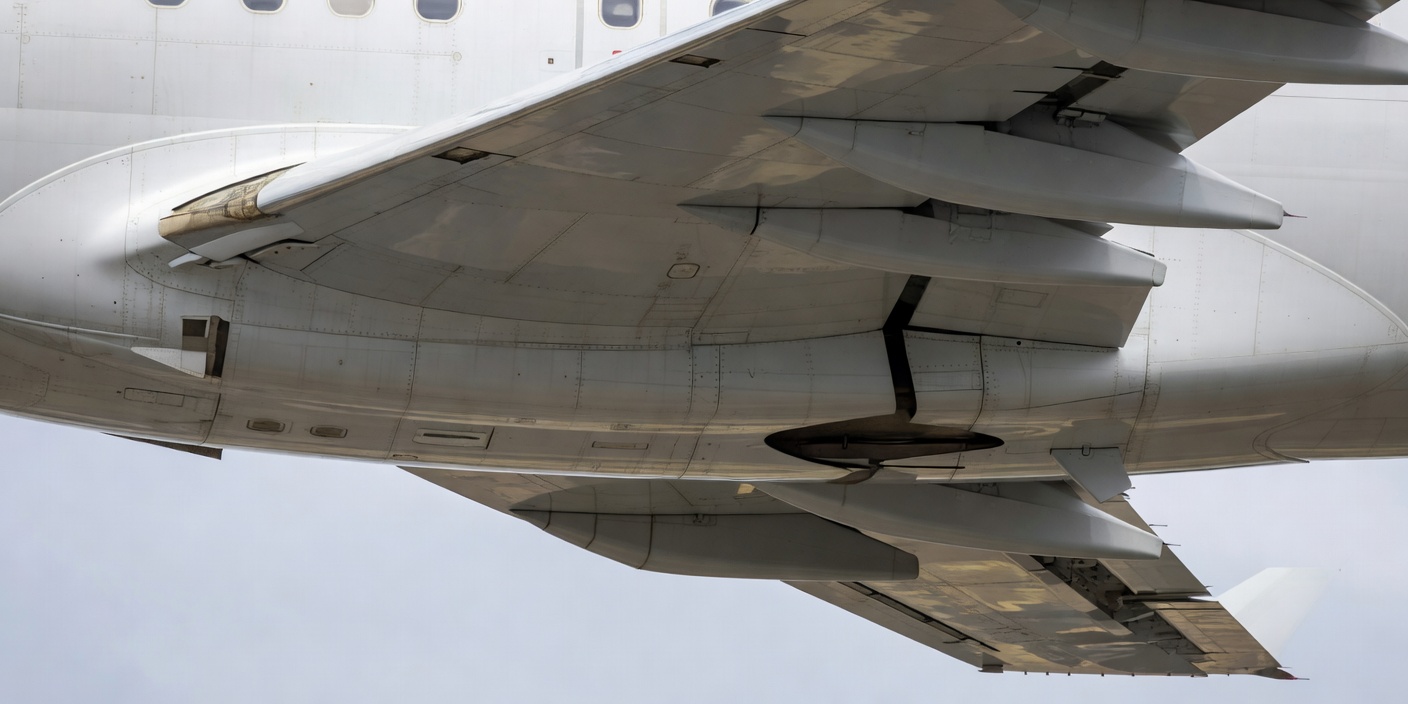
The most significant change in the NG series was a completely redesigned wing. The new airfoil was vastly more efficient for high-speed cruise. The wing area was increased by 25%, and the wingspan increased by 16 feet. These aerodynamic improvements allowed the aircraft to cruise at Mach 0.78 (up from the Classic's Mach 0.74).
Critically, the larger wing provided 30% more fuel capacity. This dramatically extended the aircraft's range to over 3,000 nautical miles, enabling transcontinental US flights and opening up transatlantic routes from the East Coast to Western Europe. Later in the production run, Boeing introduced blended winglets as a standard option, further reducing drag and improving fuel burn by an additional 3-5%.
Upgraded Power: CFM56-7B
The NG series adopted the CFM56-7B engine, an evolution of the Classic's powerplants. The -7B featured a wider fan diameter, improved materials for higher operating temperatures, and better specific fuel consumption. Maintenance intervals were extended, drastically lowering the operating costs for airlines.
The Variants: -600 to -900ER
The NG family expanded to cover a wide spectrum of passenger capacities:
- 737-600: The smallest variant, matching the -500's capacity. It suffered from poor sales, as airlines preferred larger, more efficient models.
- 737-700: The baseline model, directly replacing the -300. It entered service with Southwest Airlines in 1998.
- 737-800: The undisputed star of the NG family. A stretched version replacing the -400, it seated up to 189 passengers in a single-class layout. Over 5,000 units were built, making it the most common narrow-body airliner of its era.
- 737-900 & 900ER: The longest variant, pushing the limits of the original landing gear design. The Extended Range (ER) version added extra fuel tanks and structural reinforcements to rival the range and payload of the discontinued 757-200.
Flight Deck Modernisation
The NG replaced the aging CRT displays with six large LCD screens. The avionics architecture was overhauled, although the physical layout of the Mode Control Panel (MCP) and overhead panels remained remarkably similar to the Classic to satisfy the common type rating requirement. Advanced features like Head-Up Displays (HUD) and Vertical Situation Displays (VSD) became available, enhancing pilot situational awareness.
The success of the NG program solidified Boeing's dominance in the single-aisle market throughout the 2000s and 2010s, paving the way for the ultimate iteration: the MAX.